
Brain development in children aged 18-36 months
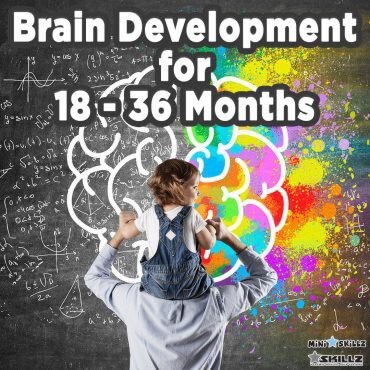 Healthy brain development is one of the most important aspects of childhood development. Specifically, the first few years of life are a crucial period because synaptic connections are at their peak. This is a time when positive and nurturing experiences are essential for the brain to form strong connections, which form the basis for learning. Recognizing the importance of early synaptic connections, parents have realized the value of having their children participate in enrichment programs, such as Mini SKILLZ, that aid in this development.
Synapses are the connections between neurons that transmit signals to each other in the brain. Around the age of 2 to 3, synapse formation reaches its peak. Then, the process of synaptic pruning begins, removing unnecessary connections in the brain. This is a crucial part of brain development, as eliminating unused connections allows more important synapses to strengthen. This allows the brain to become more efficient at learning more complex information as it develops.
The process of synaptic pruning is largely based on a child's experiences. According to the research article "Brain Development and the Role of Experience in the Early Years," Harvard researchers Adrienne Tierney and Charles Nelson found that "experiences in early childhood influence the development of brain architecture in ways that later experiences do not." Therefore, fostering positive emotions during this process is important for children to better understand and remember learning experiences.
During the crucial years of peak synaptic connections, children should be introduced to environments that nurture them. According to the Harvard Center on the Developing Child, "The emotional and physical health, social skills, and cognitive-linguistic abilities that emerge in the early years are important prerequisites for success in school and, later, in the workplace and community." Recognizing this, Melody Johnson created the Mini SKILLZ program for children aged 18 to 36 months. This powerful play environment lays the foundation for the development of healthy brain structures.
However, it's important to note that negative experiences in these early years also affect brain connections. Stress and deprivation can lead to what Tierney and Nelson call "miswiring of brain circuits," causing synapses associated with these negative experiences to become stronger and later cause behavioral problems. Therefore, it's crucial for children to experience nurturing and positive interactions with parents, other caregivers, and important adults in their lives. The more positive experiences, the more these connections will be strengthened, and more negative synapses will be removed.
Because the Mini SKILLZ program framework incorporates research in science, psychology, and child development, the curriculum has a significant impact on the children participating. This impact is even more significant because it implements the Parent SKILLZ parenting skills program and leverages the child-caregiver relationship, which fosters positive interactions. Therefore, this program fosters an atmosphere conducive to healthy brain development.
Positive environments foster healthy brain development. Consistent positive stimulation in the early years helps synapses grow and become permanent. Once formed, they can be strengthened or weakened. Therefore, it's important to nurture positive experiences in the early years. One of the best ways to do this is by participating in an enrichment program that supports the development of the whole child.
Want access to similar content?
Join our FREE Facebook group